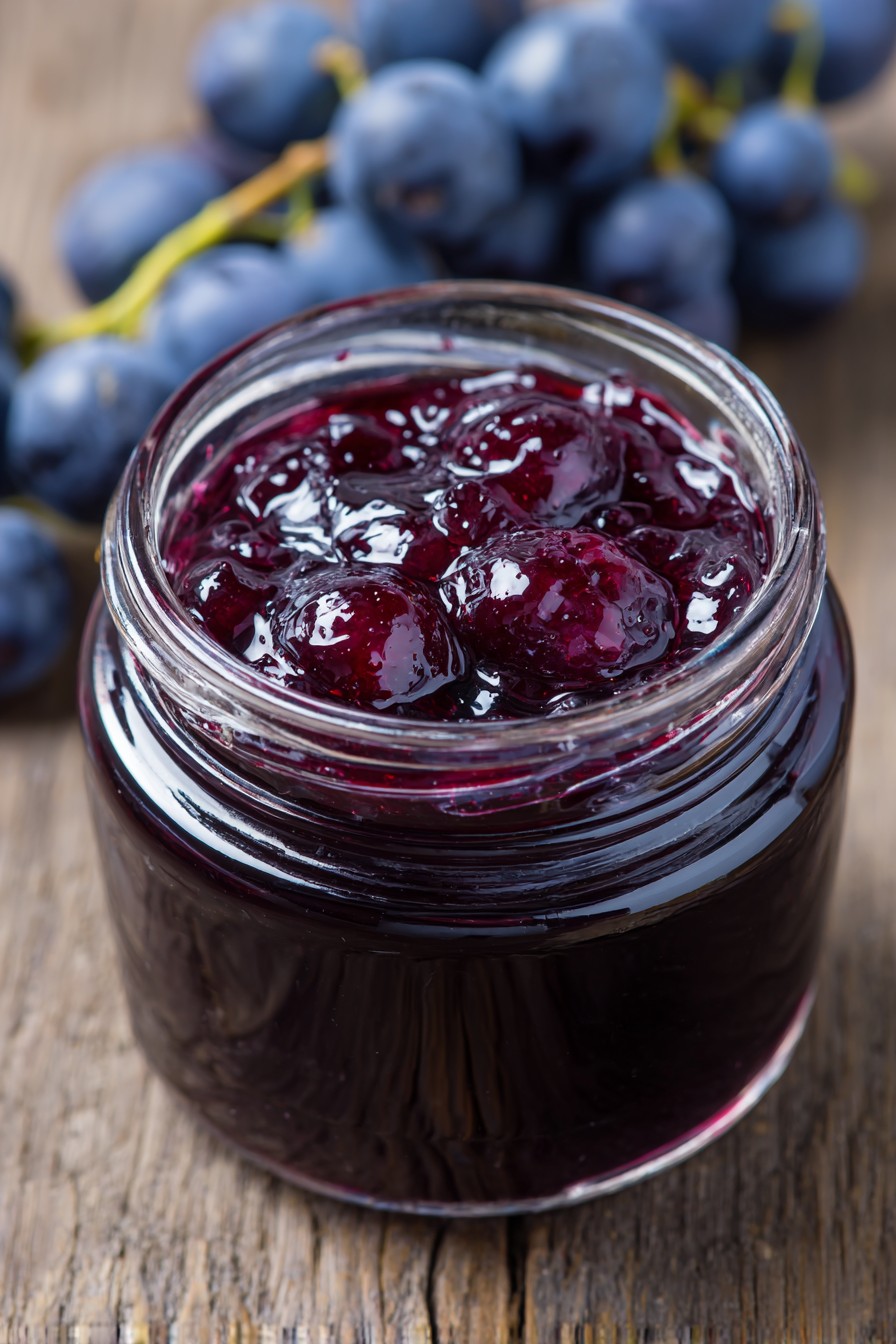
Easy Muscadine Jelly: A Beginner's Guide to a Versatile Treat
There's a special kind of magic that unfolds in a kitchen when sun-ripened muscadine grapes are transformed into jars of shimmering, jewel-toned jelly. For many, crafting a batch of homemade muscadine jelly isn't just about following a recipe; it's a cherished Southern tradition, a celebration of seasonal abundance, and an experience that fills your home with an unforgettable aroma. If you've ever dreamed of preserving the unique taste of the South, but feel intimidated by the process, this beginner-friendly guide to making muscadine jelly is for you. We'll walk you through every step, ensuring you achieve a perfectly set, deliciously flavorful spread that will become a staple in your pantry.
Unveiling the Muscadine: A Quintessential Southern Grape
Before we dive into making muscadine jelly, let's get acquainted with the star ingredient: the muscadine grape. Unlike the delicate table grapes you typically find in grocery stores, muscadines are a robust, native grape of the southeastern United States. Thriving in USDA Hardiness Zones 7 to 10, they're perfectly adapted to the region's heat and humidity, often found growing wild in wooded areas, climbing high into trees, or cultivated along garden fences.
Muscadines are distinctive in appearance and flavor. While some varieties are a deep purple to almost black when ripe (traditionally referred to simply as "muscadines"), others boast a bronzy-green hue and are often known as "scuppernongs" or "big white grapes." Regardless of their color, muscadines are characterized by their relatively thick skins and larger, often bitter seeds. These traits, while making them less appealing for fresh eating by some, contribute to their incredibly deep, concentrated flavor profile – a delightful balance of sweet and tart that is truly unique.
When you harvest muscadines, especially wild ones, they tend to be quite firm right off the vine. A little trick of the trade is to let them sit on your counter for a few days, or even up to a week. This allows them to soften slightly, intensifying their color and developing that wonderfully concentrated, almost wine-like aroma that signals they are perfectly ready for jelly making. As one might describe it, the fragrance of cooking muscadines often evokes memories of summer days and even church communion, a testament to their profound and evocative scent.
Why Homemade Muscadine Jelly is a Must-Try
Beyond the sheer delight of tasting something you've created from scratch, there are several compelling reasons to embark on your homemade muscadine jelly journey:
*
Unrivaled Flavor: Store-bought grape jellies simply can't compare to the vibrant, complex taste of homemade muscadine jelly. It's a flavor that truly captures the essence of the South.
*
A Sense of Tradition: Making jelly is an age-old practice that connects you to generations past. It’s an opportunity to embrace a seasonal bounty and create lasting memories, perhaps even with family.
*
Perfect for Beginners: Despite its gourmet appeal, making muscadine jelly is surprisingly straightforward, even if you're new to canning. The grapes' natural pectin, combined with a little commercial pectin, ensures foolproof results.
*
Incredible Versatility: While delicious on a warm biscuit, muscadine jelly's uses extend far beyond the breakfast table. It's a fantastic ingredient for desserts, glazes, and even savory pairings.
*
Thoughtful Gifting: Handcrafted jars of muscadine jelly make exquisite, personal gifts for friends, neighbors, and loved ones.
For those eager to dive deeper into the regional significance and unique taste profile, you might enjoy exploring articles like
Southern Muscadine Jelly: From Wild Grapes to Delicious Spread.
Gathering Your Simple Ingredients
A great muscadine jelly recipe starts with quality ingredients, and this one keeps it beautifully uncomplicated, allowing the grape's natural flavor to shine. You won't need any fancy additives or hard-to-find components.
Here's what you'll need:
- Muscadine Grapes: Approximately 4-5 pounds. Look for plump, fully ripened grapes.
- Granulated Sugar: About 6-7 cups, depending on the sweetness of your grapes and your personal preference. Sugar is crucial not only for sweetness but also for the jelly's set and preservation.
- Liquid Pectin: One pouch (3 ounces) of commercial liquid fruit pectin. While muscadines contain some natural pectin, adding commercial pectin guarantees a reliable set, especially important for beginners.
- Fresh Lemon Juice: 1/4 cup. Lemon juice adds a bright counterpoint to the grapes' richness and, crucially, provides the acidity needed for pectin to properly activate and set the jelly.
- Water: For extracting the grape juice.
That's it! This straightforward list relies on the grapes' inherent qualities, boosted by pectin for a reliably delicious outcome every time.
Your Step-by-Step Journey to Homemade Muscadine Jelly
Crafting your muscadine jelly can be easily broken down into two main phases: juice extraction and jelly making. Many home cooks, myself included, prefer to split these tasks over two days to make the process more relaxed and enjoyable.
Phase 1: Extracting the Muscadine Juice
- Prepare Your Grapes: Wash your muscadines thoroughly under cool water, removing any stems, leaves, or bruised grapes.
- Simmer and Burst: Place the cleaned grapes in a large, heavy-bottomed pot. Add just enough water to barely cover the bottom of the pot (about 1/2 to 1 cup). Bring to a simmer over medium heat, then reduce heat to low, covering the pot. Cook gently for 15-20 minutes, stirring occasionally, until the grapes have softened and burst, releasing their vibrant juices. As they soften, your kitchen will fill with an incredibly sweet, vineyard-like aroma – a true highlight of the muscadine jelly recipe experience.
- Mashing and Straining: Using a potato masher, gently mash the cooked grapes to extract as much juice as possible. Line a colander with several layers of cheesecloth or use a specialized jelly bag, and place it over a large bowl. Carefully pour the mashed grape mixture into the lined colander. Allow the juice to drip naturally for several hours, or even overnight, without squeezing the bag. Squeezing can force pulp through, resulting in cloudy jelly. You should aim for about 5 cups of clear muscadine juice.
Phase 2: Cooking Your Muscadine Jelly
- Prepare Your Canning Jars: While your juice is dripping or once it's ready, sterilize your canning jars and lids. Wash jars in hot soapy water, rinse well, then place them upright in a boiling water canner. Fill the canner with water until jars are covered by at least an inch. Bring to a boil and boil for 10 minutes. Keep jars hot until ready to fill. Place lids and rings in a small saucepan, cover with water, and simmer gently (do not boil) until ready to use.
- Combine Ingredients: In a large, deep, heavy-bottomed pot (to prevent boil-overs), combine your measured muscadine grape juice, granulated sugar, and fresh lemon juice. Stir well until the sugar begins to dissolve.
- Bring to a Rolling Boil: Place the pot over high heat and bring the mixture to a full, rolling boil that cannot be stirred down. This is crucial for activating the pectin.
- Add Pectin: Once at a rolling boil, immediately pour in the liquid pectin, stirring constantly. Return the mixture to a full, rolling boil and boil hard for exactly 1 minute, stirring continuously. This rapid boil ensures the pectin sets properly.
- Skim and Fill: Remove the pot from the heat. Quickly skim off any foam that rises to the surface using a metal spoon. Ladle the hot muscadine jelly into your hot, sterilized jars, leaving 1/4 inch headspace. Wipe jar rims clean with a damp cloth, center lids on jars, and apply screw bands until fingertip tight.
- Process in a Water Bath Canner: Carefully place the filled jars onto the rack in your boiling water canner, ensuring they are covered by at least 1 inch of hot water. Bring the water back to a full boil and process pint jars for 10 minutes (adjusting for altitude if necessary).
- Cool and Seal: Turn off the heat and remove the canner lid. Let the jars sit in the hot water for 5 minutes before carefully removing them to a wire rack. Allow them to cool undisturbed for 12-24 hours. You'll hear the satisfying "pop" as the lids seal. Check seals after cooling; if any jar hasn't sealed, refrigerate and use within a few weeks.
For those curious about the nuances of muscadine flavor, an additional read like
Muscadine Jelly: Unlocking the Unique Flavor of Southern Grapes could be very insightful.
Beyond the Biscuit: Enjoying Your Muscadine Jelly
Once cooled and sealed, your homemade muscadine jelly is ready to be enjoyed! While its classic pairing with warm biscuits or toast is undeniably delicious, don't limit its potential.
Consider these versatile uses:
- Breakfast Booster: Swirl into oatmeal or yogurt, or spread on pancakes, waffles, or muffins.
- Dessert Delight: Use as a glaze for tarts or cakes, a filling for thumbprint cookies, or even warmed over vanilla ice cream.
- Savory Surprising: Pair with soft cheeses like goat cheese or brie on a charcuterie board. It makes an excellent glaze for roasted pork or chicken, or even whisked into a vinaigrette for a unique salad dressing.
- Cocktail Companion: A spoonful can add a delightful Southern twist to your favorite cocktail recipes.
The Sweet Reward of Homemade Tradition
Making your own muscadine jelly is more than just a culinary task; it's an immersive experience that brings the flavors and traditions of the South directly into your home. From the intoxicating aroma of simmering grapes to the pride of lining your pantry shelves with gleaming jars, every step is rewarding. This easy homemade jelly recipe is truly perfect for beginners, offering a straightforward path to creating a versatile, deeply flavorful treat. So, gather your muscadines, embrace the process, and prepare to savor the magical taste of homemade muscadine jelly – a true Southern delight.