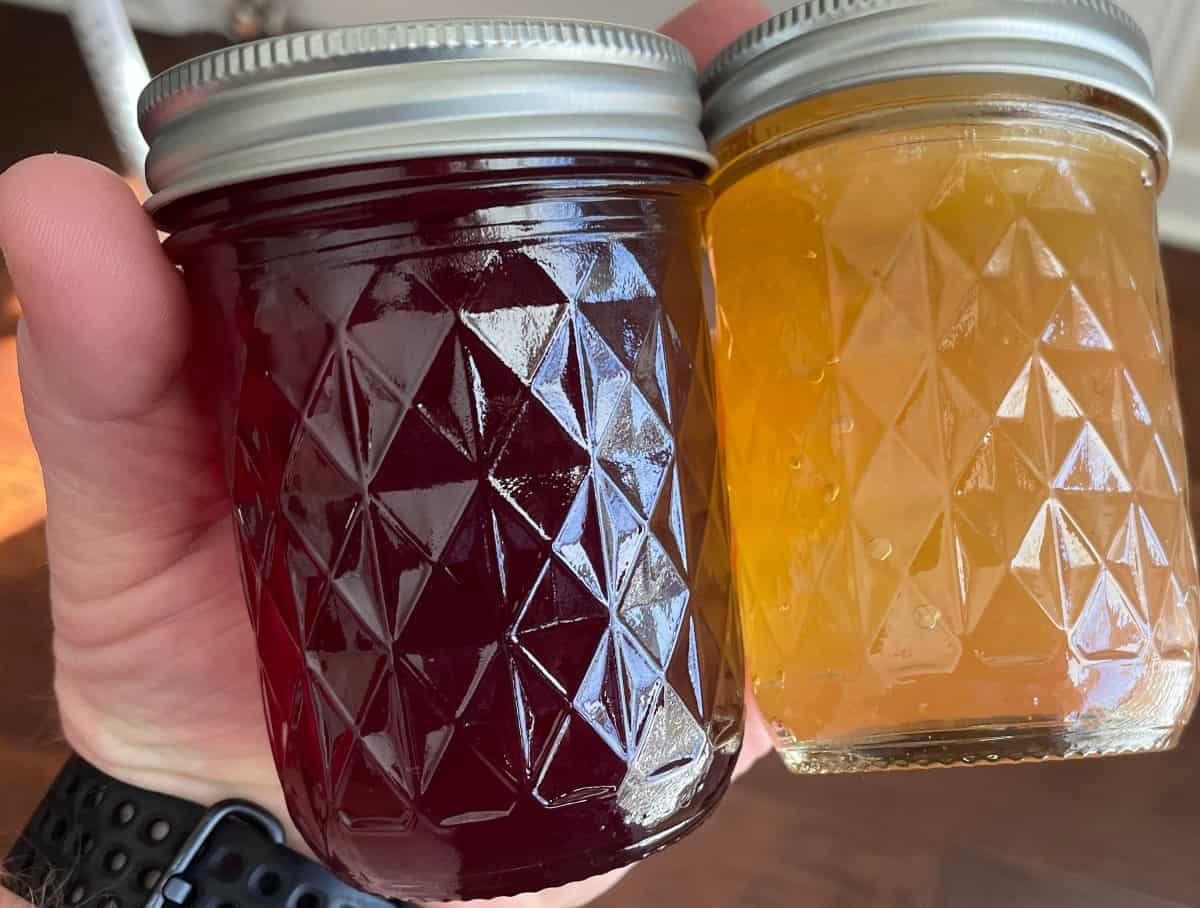
Southern Muscadine Jelly: From Wild Grapes to Delicious Spread
There’s an undeniable magic that unfolds when a basket of sun-ripened muscadine grapes transforms into a glistening jar of homemade muscadine jelly. More than just a sweet spread, this jewel-toned preserve is a testament to Southern heritage, a celebration of seasonal bounty, and a truly delicious journey from wild vine to your breakfast table. For many, the aroma of simmering muscadines in the kitchen evokes cherished memories of family, laughter, and timeless traditions passed down through generations.
While often elusive in mainstream grocery stores, muscadine jelly holds a revered spot in Southern kitchens. Its unique, deeply concentrated flavor profile — a captivating blend of sweet and tart with an earthy, slightly musky undertone — sets it apart from any other grape jelly. Whether you’re a seasoned canner or a curious beginner looking to embark on your first preserving adventure, crafting your own batch of this delightful spread is an incredibly rewarding experience. This guide will walk you through understanding these extraordinary grapes and the simple, yet profound, process of turning them into a versatile treat perfect for slathering on warm biscuits, elevating a charcuterie board, or gifting to loved ones.
The Unique Allure of Southern Muscadine Grapes
The journey to an exquisite jar of muscadine jelly begins with understanding its star ingredient: the muscadine grape. Unlike the delicate, thin-skinned grapes found in most supermarkets, muscadines are a robust, native fruit of the Southeastern United United States. Thriving in USDA Hardiness Zones 7 to 10, these resilient vines are perfectly adapted to the region’s heat and humidity, often found growing wild in wooded areas, climbing high into trees, or cultivated proudly in backyard gardens and homesteads.
Muscadines are not your average grape. They boast thick, somewhat chewy skins and noticeable seeds, features that contribute to their incredible depth of flavor but also make them less desirable for fresh consumption in retail markets. What they lack in convenience, they more than make up for in character. Their taste is intensely concentrated, offering a complex symphony of sweet and tart notes that can range from fruity and floral to slightly earthy and wine-like. This distinct flavor is what makes muscadine jelly so utterly captivating.
Variety also adds to their charm. While many envision a deep purple grape when they hear "muscadine," this umbrella term encompasses several types. The traditional, darker varieties deliver that iconic rich purple hue, while others, affectionately known as "scuppernongs" or "big white grapes," present in shades of bronze, green, or white. Regardless of their color, all muscadine varieties share that unmistakable, potent flavor that translates beautifully into a preserve. If you're keen to dive deeper into the nuances of this remarkable fruit, explore more about Muscadine Jelly: Unlocking the Unique Flavor of Southern Grapes.
Foraging and Cultivation Tips:
- Foraging Wild Muscadines: If you're lucky enough to find a wild vine, be prepared. Muscadines often grow high, requiring a ladder or a long-handled fruit picker. Always ensure you have permission before harvesting on private land.
- Picking Ripe Grapes: Look for fully developed color (deep purple or rich bronze/green). The grapes should smell intensely grape-like – a concentrated aroma that some liken to communion wine.
- Softening Post-Harvest: Freshly picked muscadines are quite firm. For optimal juice extraction and flavor development, allow them to sit on your counter for a few days to a week. They'll soften slightly, making them easier to work with.
- Growing Your Own: Muscadines are hardy and relatively low-maintenance once established. They often require cross-pollination, so planting two compatible varieties is usually recommended for abundant harvests. They thrive along fences or trellises, providing both delicious fruit and beautiful landscaping.
Crafting Your Own Muscadine Jelly: A Culinary Journey
The process of making homemade muscadine jelly is a sensory delight, filling your kitchen with an intoxicating, vineyard-like aroma. It's an accessible project, even for those new to canning, and an ideal introduction to the rewarding world of preserving. As the reference suggests, the work can even be split over two days – extracting the juice one day, and making the jelly the next – to make it more manageable.
Essential Ingredients:
A great muscadine jelly recipe is surprisingly simple, relying on just a few core ingredients that allow the natural flavor of the grapes to shine:
- Ripe Muscadine Grapes: The fresher and riper, the better the flavor.
- Sugar: Essential for sweetness, preserving, and helping the jelly set.
- Commercial Pectin: While muscadines contain some natural pectin, adding a commercial variety ensures a consistent, foolproof set. This is particularly helpful for beginners, guaranteeing that desired spreadable texture.
Step-by-Step Process for a Perfect Set:
- Grape Preparation: Wash your muscadines thoroughly and remove any stems. Unlike other grapes, you don't need to peel them, but you can gently separate the pulp from the skins if desired, as some traditional recipes prefer to cook skins and pulp separately. For simplicity, most modern recipes cook them together.
- Juice Extraction: Place the grapes in a large pot with a small amount of water (just enough to prevent scorching). Bring to a simmer, then reduce heat and cook, mashing occasionally with a potato masher, until the grapes are soft and have burst, releasing their vibrant juice. This usually takes about 15-20 minutes.
- Straining for Pure Juice: Line a colander with several layers of cheesecloth and place it over a large bowl. Pour the cooked grape mixture into the cheesecloth and allow it to drain, undisturbed, for several hours or overnight. Resist the urge to squeeze the bag, as this can force pulp through and result in cloudy jelly. The clearer the juice, the more brilliant your muscadine jelly will be.
- The Jelly-Making Stage: Measure your muscadine juice. In a large, heavy-bottomed pot, combine the measured juice with the appropriate amount of sugar and pectin, following the specific instructions on your pectin package. Bring the mixture to a rolling boil that cannot be stirred down. Continue boiling for 1-2 minutes, stirring constantly, until the jelly reaches its setting point.
- Skimming and Jarring: Remove the pot from heat. Skim off any foam that has risen to the surface. Ladle the hot jelly into sterilized canning jars, leaving ¼ inch headspace. Wipe the rims clean.
- Water Bath Canning: Place lids and rings on the jars, tightening to fingertip-tight. Process the jars in a boiling water bath for the recommended time (typically 10-15 minutes, adjusted for altitude). Carefully remove jars from the canner and let them cool undisturbed for 12-24 hours. You'll hear satisfying "pops" as the jars seal.
For a more detailed, beginner-friendly approach to canning, consider checking out this Easy Muscadine Jelly: Beginner's Guide to a Versatile Treat.
Beyond the Jar: Creative Ways to Enjoy Muscadine Jelly
Once you’ve successfully crafted your beautiful jars of muscadine jelly, the possibilities for enjoyment are endless. Its robust flavor allows it to shine in a surprising variety of culinary applications, proving far more versatile than just a breakfast condiment.
Versatile Serving Suggestions:
- Classic Breakfast Delight: The most iconic use! Spread generously on warm biscuits, toast, muffins, or scones. The sweet-tart punch of the muscadine cuts through the richness of butter perfectly.
- Elevated Charcuterie Boards: Pair muscadine jelly with a selection of cheeses (especially creamy brie, sharp cheddar, or tangy goat cheese), cured meats, nuts, and crackers. Its vibrant color and complex flavor add a gourmet touch.
- Savory Glazes and Sauces: The sweetness and acidity make it an excellent glaze for roasted pork loin, chicken, or even duck. Whisk a spoonful into pan sauces to add depth and a hint of fruitiness.
- Dessert Enhancer: Drizzle over vanilla ice cream, plain yogurt, or cheesecakes. Use it as a filling for thumbprint cookies, tarts, or crepes. It can even be warmed slightly and poured over pancakes or waffles.
- Cocktail Companion: Use a dollop to flavor sparkling water or ginger ale for a refreshing non-alcoholic drink. For adult beverages, it can be muddled into cocktails or used to rim a glass for a truly Southern twist.
- Thoughtful Gifts: A jar of homemade muscadine jelly, tied with a ribbon, makes a heartfelt and personal gift for friends, neighbors, or hostesses. It’s a taste of Southern tradition they’re sure to appreciate.
The deep, concentrated essence of muscadines provides a unique flavor that can transform everyday dishes into something special. Don't be afraid to experiment and discover your own favorite ways to enjoy this cherished Southern delicacy!
Conclusion
From the wild vines clinging to Southern trees to the glistening spread on your morning toast, muscadine jelly embodies a uniquely Southern charm. It’s a testament to the bounty of nature, the joy of homemade goodness, and the enduring power of culinary tradition. Crafting this delicious preserve is more than just following a recipe; it’s an immersive experience that engages your senses, connects you to a rich history, and ultimately rewards you with jars of pure, concentrated flavor. So, gather your grapes, embrace the journey, and savor the unforgettable taste of Southern muscadine jelly – a truly delicious spread that brings a touch of magic to every bite.
