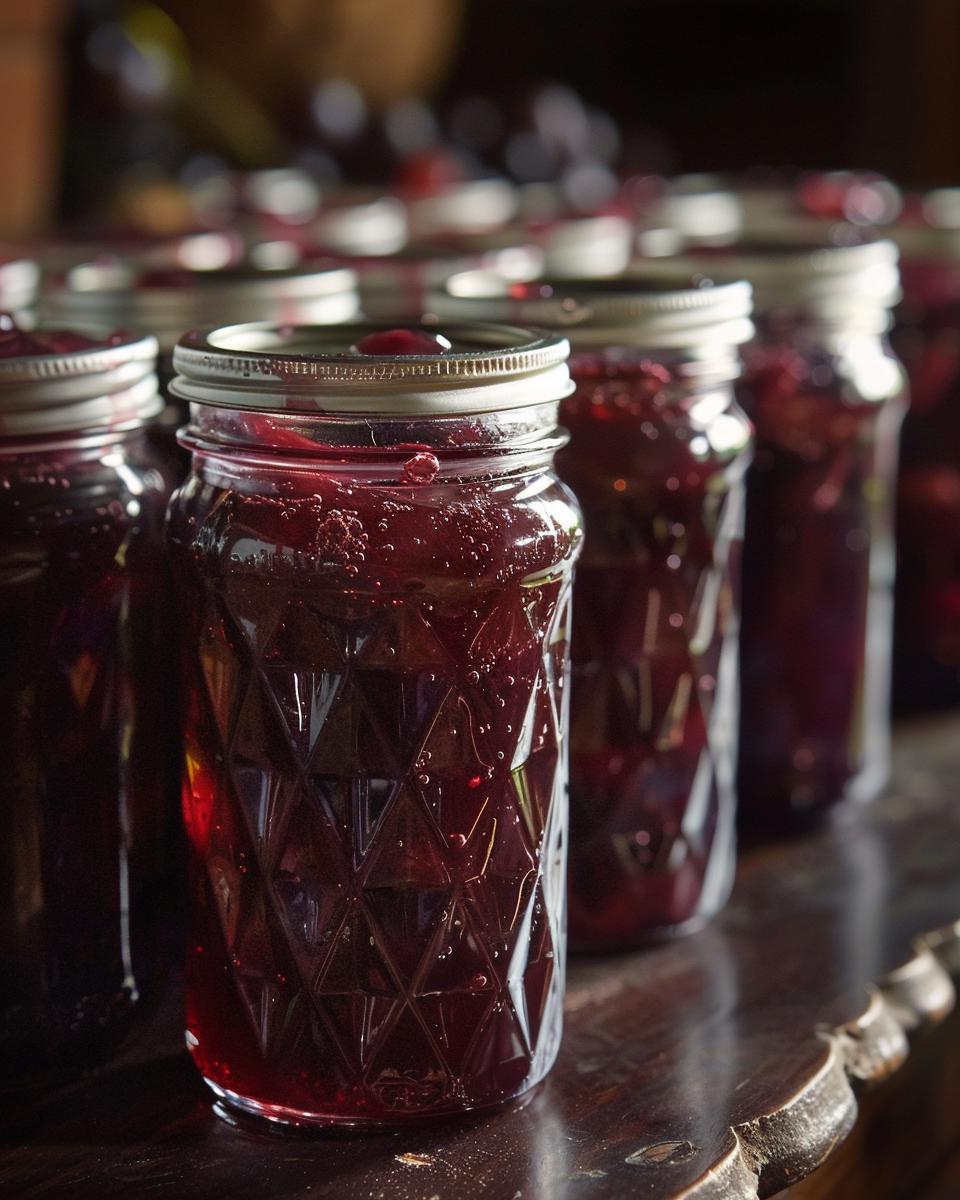
Muscadine Jelly: Unlocking the Unique Flavor of Southern Grapes
There's a certain magic that happens when sun-kissed muscadine grapes, native to the Southern United States, are transformed into a glistening jar of homemade muscadine jelly. It's more than just a sweet spread; it's a taste of heritage, a celebration of regional bounty, and a sensory journey that evokes warm memories of bustling kitchens and late summer harvests. For those who grew up with it, the aroma alone can transport them back to childhood. For newcomers, it's an introduction to a truly distinct and unforgettable fruit.
Unlike common table grapes, muscadines possess a character all their own, a bold and aromatic sweetness balanced by a tantalizing tartness. Turning these unique grapes into a spreadable treasure captures their essence perfectly, resulting in a jewel-toned jelly that's as versatile as it is delicious. Whether you're a seasoned canner or just embarking on your first homemade jelly adventure, crafting your own muscadine jelly is a wonderfully rewarding experience that connects you directly to the rich culinary traditions of the American South.
The Distinctive Allure of Muscadine Grapes
Before diving into the jelly-making process, it's essential to understand what makes muscadine grapes so special. These aren't your typical grocery store grapes; they are a truly indigenous American fruit, thriving in the warm, humid climates of the Southern states, primarily USDA Hardiness Zones 7 to 10. They grow wild in wooded areas, often climbing high into trees, but have also been cultivated for centuries, adapting perfectly to their environment.
Muscadines are easily identifiable by their thick skins and large seeds, which, while making them less ideal for eating fresh out of hand compared to thinner-skinned varieties, contribute significantly to their concentrated, complex flavor profile. Depending on the specific variety, muscadines can range in color from a deep, regal purple (often simply called "muscadines") to a striking bronze, green, or white. The lighter-colored varieties are famously known as "Scuppernongs," a name that has become almost synonymous with muscadines themselves, particularly in reference to the larger, lighter-skinned fruit. This inherent variability in appearance only adds to their rustic charm.
Their taste is a magnificent blend of intense sweetness and a refreshing, tangy tartness. The aroma, especially when simmering, is remarkably potent and distinctive, often described as having notes of wine or even a nostalgic "communion" scent, deeply ingrained in the Southern experience. Because of their thick skins and seeds, and their regional growing patterns, muscadines are rarely found in large commercial grocery chains. This exclusivity is part of their appeal; if you want the true muscadine experience, you'll likely need to forage for them, grow them yourself, or find a local farmer or friend who does. This makes homemade muscadine jelly a true artisanal product, a labor of love that's hard to replicate with store-bought alternatives.
Crafting Your Own Muscadine Jelly: A Journey from Vine to Jar
Making muscadine jelly is a delightful process that transforms these unique grapes into a spreadable delicacy. While the full recipe involves specific measurements, understanding the general steps will demystify the journey and highlight why homemade truly is best. For those new to canning or jelly-making, muscadine jelly is an excellent starting point, often considered an Easy Muscadine Jelly: Beginner's Guide to a Versatile Treat due to the grape's natural pectin content and forgiving nature.
Sourcing and Preparing Your Grapes
The journey begins with quality grapes. If you're fortunate enough to forage wild muscadines, pick them when their color is fully developed and they have a strong, concentrated grape aroma. Don't be deterred if they feel a bit firm right off the vine; letting them sit on your counter for a few days to a week will allow them to soften slightly and further develop their rich flavor. This ripening process is crucial for extracting the best juice.
Extracting the Precious Juice
The heart of any muscadine jelly recipe lies in extracting the flavorful juice. This typically involves gently simmering the whole grapes with a small amount of water. As they heat, the thick skins will burst, releasing their juicy interiors and filling your kitchen with that incredible, intoxicating aroma. Once the grapes have softened and burst, the mixture is pressed or strained through a jelly bag or fine-mesh sieve. This separates the juice from the skins, seeds, and pulp, leaving you with a vibrant, flavorful liquid that is the foundation of your jelly. Many experienced jelly makers choose to split this work, making the juice one day and completing the jelly the next, making the process more manageable and enjoyable.
The Jelly-Making Process and Canning
With your fresh muscadine juice in hand, the next step involves combining it with sugar and pectin. While muscadines contain some natural pectin, adding commercial pectin ensures a foolproof set, especially for beginners. The mixture is then brought to a rolling boil, cooked to the proper gelling point, and quickly poured into sterilized canning jars. A crucial final step for shelf stability is processing the filled jars in a water bath canner. This not only seals the jars but also ensures the jelly remains fresh and safe for enjoyment for months to come. This entire process, from wild harvest to sealed jar, is beautifully detailed in articles like Southern Muscadine Jelly: From Wild Grapes to Delicious Spread.
Tips for Muscadine Jelly Success
- Don't Rush the Ripening: Allow freshly picked muscadines to sit for several days. This softens them and intensifies their flavor, leading to a richer-tasting jelly.
- Quality Pectin Matters: While muscadines have natural pectin, using a good quality commercial pectin ensures a reliable set. Always follow the pectin package instructions, as varieties differ.
- Cleanliness is Key: When canning, ensure all your jars, lids, and tools are meticulously clean and sterilized. This prevents spoilage and ensures a safe product.
- Taste and Adjust: Before adding pectin, taste your muscadine juice. If it's exceptionally tart, you might slightly adjust the sugar amount (though be careful not to deviate too much from the recipe, as sugar is essential for gelling).
- Embrace the Aroma: The strong, sweet aroma of simmering muscadines is part of the experience. Enjoy it! It's a hallmark of authentic Southern kitchens.
Beyond the Biscuit: Versatile Uses for Muscadine Jelly
While a warm, buttered biscuit is the quintessential canvas for muscadine jelly, its unique sweet-tart profile makes it incredibly versatile. Don't limit this Southern delight to just breakfast spreads; its complex flavor can elevate a variety of dishes:
- Breakfast & Brunch: Beyond biscuits, slather it on toast, English muffins, pancakes, waffles, or croissants. It's a delightful complement to any breakfast pastry.
- Charcuterie Boards: Pair muscadine jelly with creamy cheeses like brie, sharp cheddar, or goat cheese. Its sweetness cuts through the richness of the cheese, offering a sophisticated counterpoint. Serve alongside crackers and cured meats.
- Savory Pairings: Use it as a glaze for roasted pork or chicken, or whisk it into a pan sauce. Its fruity notes add an unexpected depth to savory dishes. Some even enjoy it as a condiment with grilled sandwiches.
- Dessert Glaze: Warm and thin the jelly slightly to create a beautiful, glossy glaze for fruit tarts, cheesecakes, or pound cakes. It adds both shine and flavor.
- Cocktails: A spoon of muscadine jelly can be muddled into a cocktail or shaken with spirits and ice for a truly Southern-inspired drink.
- Thoughtful Gifts: Jars of homemade muscadine jelly make incredibly personal and cherished gifts for friends, family, and neighbors. A handcrafted gift like this truly shows you care.
Savoring a Southern Tradition
Muscadine jelly is more than just a preserve; it's a vibrant piece of Southern culinary heritage, brimming with distinct flavor and tradition. From the wild vines clinging to trees in sun-drenched landscapes to the bubbling pot on the stove, every step in making this jewel-toned spread is a testament to the region's rich bounty. The unique sweet-tart punch of muscadine grapes, expertly captured in a jar, offers a taste experience unlike any other grape jelly.
Whether you're revisiting a cherished childhood memory or discovering this regional delicacy for the first time, embarking on the journey of making your own muscadine jelly is an incredibly rewarding endeavor. So gather your grapes, embrace the aromatic magic, and unlock the truly unique flavor of this Southern treasure in your own kitchen. You'll be creating not just a delicious spread, but a lasting connection to a timeless tradition.
